




28 Aug India’s Import Restrictions on Laptops and Tablets Receives Local Praise
Recently, India made a bold move by imposing import restrictions on laptops and tablets. While this step has been criticized by many, it has received significant local praise from electronic manufacturing experts. India has been aiming to become a self-sufficient country in producing electronic devices for a long time. This new policy, which is a part of the government’s ‘Make in India’ campaign, seems to be a significant step toward achieving that goal. In this blog post, we will explore the reasons behind this move and why it has been praised by electronic manufacturing experts.
Boosting Domestic Manufacturing:
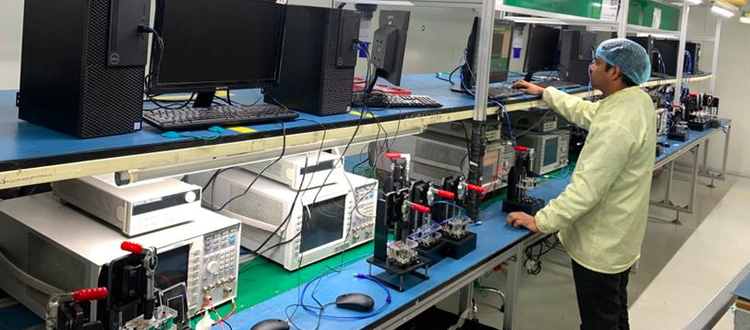
India’s new import restrictions have been praised by local experts as it is expected to boost domestic manufacturing of electronic devices. India has a sizable electronics market, and almost 90% of the electronics are imported from countries like China. By imposing tough import restrictions, the government is endeavoring to encourage domestic companies to start producing electronic devices in India. This move will help in reducing the reliance on imports and boost the country’s self-sufficiency.
Creating Jobs:
Another significant benefit of India’s new import restriction policy is the creation of new jobs. When electronics are imported into the country, the manufacturing jobs go to those countries. However, when electronics are produced locally, it creates job opportunities for locals. Experts predict that the policy will help India create more than 100,000 jobs within the next few years. This new job creation will help to boost the economy of the country, which was hit hard by the Covid-19 pandemic.
Benefit to Local Startups:
Local startups in India will be the significant beneficiaries of the new import restriction policy. Previously, these startups were unable to compete with multinationals as they couldn’t match their prices. But with the new policy, local firms will now be in a better position to compete, as the playing field will be leveled. This will help local startups to gain further traction in the market, helping to grow and expand.
Reduce Dependence on Imports:
India has a large import bill, and electronic devices form a significant part of it. By imposing import restrictions, the government is taking a crucial step towards reducing its dependence on imports. It will help the country to conserve its foreign exchange reserves and prevent the outflow of money to other countries. The money, which would have gone to importing electronic devices, can now be used for other purposes such as infrastructure development, healthcare, and education.
Encouraging Research and Development:
The new policy is also expected to encourage research and development in the electronics sector. Domestic manufacturers will now have to innovate and come up with new products to compete with foreign players. This will lead to more investments in research and development, creating a conducive environment for innovation. Ultimately this will result in the production of more affordable and better-quality electronic devices in India.
Conclusion:
India’s move to impose import restrictions on laptops and tablets has received considerable local praise from electronic manufacturing experts. The policy is expected to boost domestic manufacturing, create new job opportunities, help local startups, reduce India’s dependence on imports, and encourage research and development in the electronics sector. This move is an essential step toward achieving the ‘Make in India’ campaign’s goal and is expected to benefit the country’s economy in the long run. On the other hand, multinationals may suffer due to these restrictions, but the policy is expected to stabilize over time, benefiting all stakeholders involved.
No Comments